What Is GLOW Peptide?
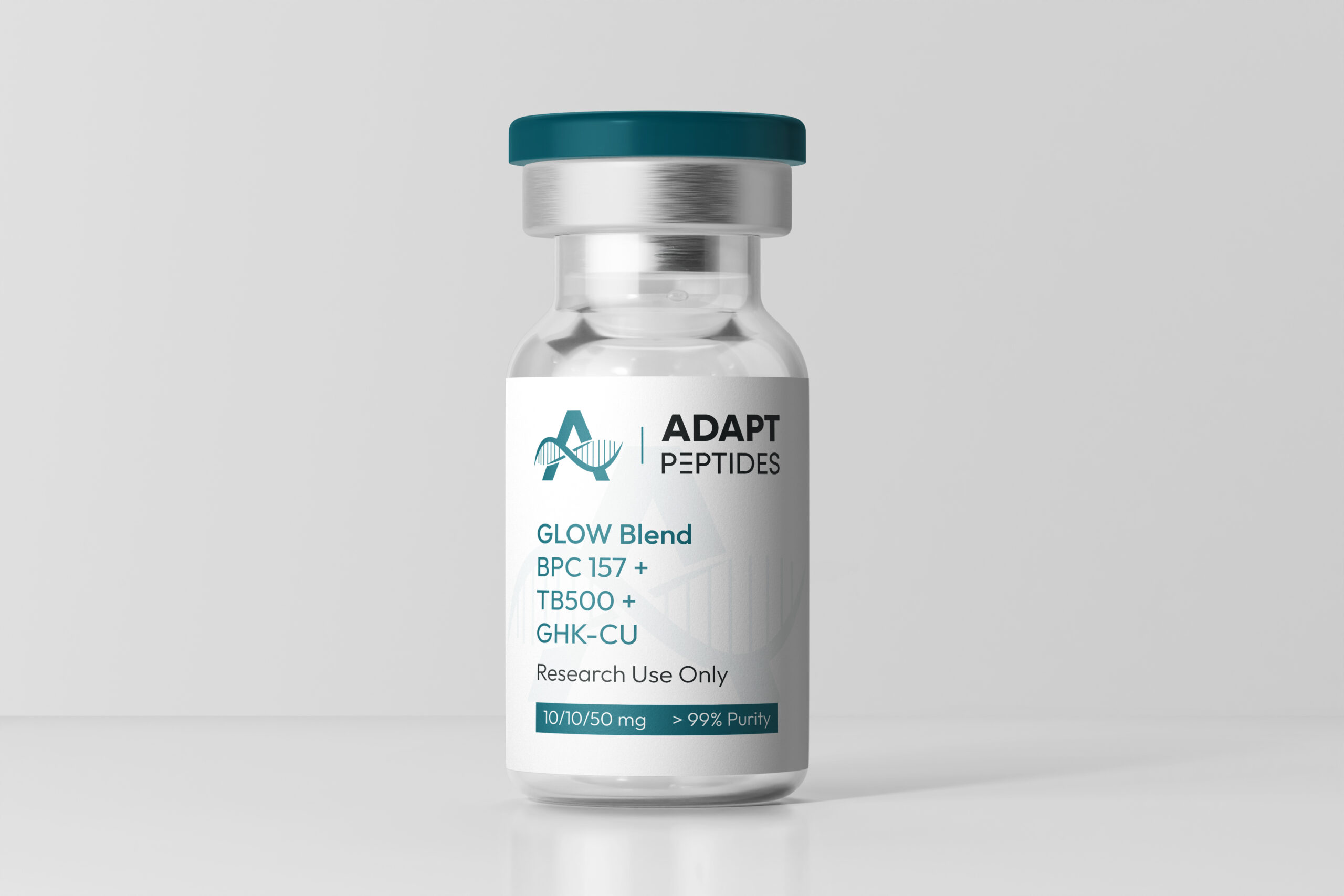
GLOW Peptide Blend is a synthetic research formulation designed for studies in tissue repair, skin health, and cellular regeneration. It brings together three of the most widely studied peptides in regenerative science:
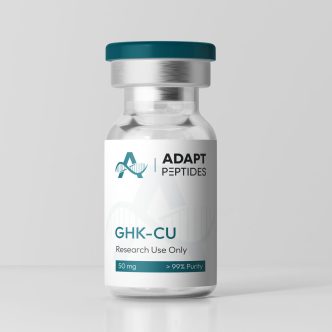
- GHK-Cu (50 mg) – A copper-binding tripeptide associated with collagen synthesis, wound healing, and gene expression linked to skin and tissue health.
- BPC-157 (10 mg) – A stable gastric pentadecapeptide studied for its regenerative potential in muscle, tendon, and vascular tissue models.
- TB-500 (10 mg) – A synthetic fragment of Thymosin Beta-4, researched for its role in cellular migration, angiogenesis, and tissue recovery.
Together, these compounds provide complementary pathways that may support enhanced outcomes in research models related to inflammation modulation, vascular support, and cellular turnover.
The name “GLOW” reflects the visible improvements noted in skin regeneration research and anecdotal reports. These “glow ups” are driven by the collagen-supporting role of GHK-Cu, while the inclusion of BPC-157 and TB-500 extends its potential applications to musculoskeletal and vascular studies.
GLOW Peptide Mechanism of Action (Based on Research)
GLOW Peptide Blend and its individual components have been evaluated in a variety of preclinical models. Each peptide exhibits distinct but complementary biological mechanisms that may contribute to tissue regeneration, inflammation control, and cellular repair.
GHK-Cu (Copper Tripeptide)
GHK-Cu, or copper tripeptide-1, is a naturally occurring peptide with high affinity for copper ions. It has been widely studied for its regenerative and gene-modulating properties.
One of its most notable characteristics is its influence on gene expression. Research indicates that GHK-Cu can alter the activity of more than 4,000 human genes, shifting patterns away from inflammation and tissue degeneration toward profiles associated with repair, regeneration, and homeostasis [1].
Mechanistically, GHK-Cu supports the synthesis of structural proteins critical for skin and connective tissue health, including collagen, elastin, decorin, and glycosaminoglycans [2]. These proteins contribute to skin firmness, hydration, and elasticity, while also supporting vascular, pulmonary, and joint tissues.
It also regulates matrix metalloproteinases (MMPs) and their inhibitors (TIMPs), ensuring controlled tissue remodeling and balanced extracellular matrix turnover[1]. In addition, studies suggest roles in angiogenesis, peripheral nerve outgrowth, antioxidant defense, and modulation of inflammatory activity, including in models of chronic pulmonary injury[2].
BPC-157 (Body Protection Compound-157)
BPC-157 is a synthetic 15-amino acid peptide derived from a protein in gastric juice. In preclinical research, particularly rodent studies, it has consistently demonstrated tissue-supportive effects.
Key findings include its ability to promote tendon outgrowth and muscle regeneration, likely through activation of the FAK–paxillin signaling pathway, which is essential for cell migration and adhesion [3].
BPC-157 also influences angiogenesis during tissue healing by upregulating vascular endothelial growth factor (VEGF) within injured tissues [4]. Interestingly, this effect appears to be context-dependent, that is, robust in vivo, but not consistently observed in isolated in vitro models.
In addition, BPC-157 exhibits anti-inflammatory and cytoprotective activity in multiple experimental systems, including gastrointestinal, hepatic, and musculoskeletal models [5]. These effects suggest it helps preserve tissue structure and reduce damage under stress conditions.
TB-500 (Thymosin Beta-4 Fragment)
TB-500 is a synthetic fragment of thymosin beta-4 (T?4), a naturally occurring protein that regulates actin dynamics. T?4 is known to bind G-actin, influencing actin polymerization, cell motility, and wound closure [6].
TB-500 is designed to replicate many of these functions and has been studied in animal models of tissue repair. Findings suggest it modulates extracellular matrix remodeling and fibrosis, in part through transforming growth factor-beta (TGF-?) signaling pathways [7].
Additional studies highlight TB-500’s ability to support progenitor cell migration and survival, including endothelial-like cells, contributing to vascular remodeling and regeneration in dermal, cardiac, and connective tissue injury models[8].
GLOW Peptide Blend: Potential Synergy
By combining GHK-Cu, BPC-157, and TB-500, GLOW Peptide Blend allows researchers to explore overlapping regenerative pathways. Together, these peptides may influence:
- GHK-Cu – Gene regulation affecting collagen, glycosaminoglycans, and antioxidant responses.
- BPC-157 – Enhanced tendon/muscle regeneration, angiogenesis via VEGF, and anti-inflammatory support.
- TB-500 – Cell migration and survival through actin regulation and modulation of fibrosis.
While direct research on the GLOW blend is limited, preliminary findings suggest the combined formulation may yield greater improvements in wound healing, collagen architecture, and tissue organization compared to the peptides studied individually.
Research Applications of GLOW Peptide Blend
While GLOW Peptide Blend itself has not been evaluated in human trials, its individual components (GHK-Cu, BPC-157, and TB-500) have been widely studied in preclinical research.
Researchers use this tri-peptide combination to investigate potential interactions across multiple systems involved in repair, recovery, and remodeling. Below are research domains where the individual peptides have shown promising results.
Skin and Connective Tissue Regeneration
GHK-Cu has been studied for its role in dermal remodeling, stimulating collagen, elastin, and glycosaminoglycan production in fibroblast cultures. It has also improved skin thickness and reduced sagging in aging animal models [2].
TB-500 has been investigated for its ability to reduce dermal fibrosis and promote epithelial migration after injury[9]. The actin-binding domain (Ac-LKKTETQ)—the active core of TB-500—has accelerated wound closure in aged and diabetic mouse models by enhancing keratinocyte migration, collagen deposition, and reducing scarring [10].
Neurological and Neurovascular Repair
GHK-Cu has been shown to stimulate neurite outgrowth and neurotrophic gene expression [11].
BPC-157 has been studied for effects on central nervous system recovery, including modulation of serotonin and dopamine receptors, along with protection of blood-brain barrier integrity in rodent stroke and neuroinflammation models [12].
TB-500 has also been linked to neural regeneration and reduced inflammation in traumatic brain injury models.
Musculoskeletal and Joint Healing
BPC-157 has demonstrated strong activity in tendon-to-bone healing, ligament repair, and muscle recovery. Rodent studies show accelerated fibroblast activity, angiogenesis, and enhanced healing at tendon graft sites [13].
TB-500 supports cell migration in myoblasts and satellite cells, facilitating muscle fiber regeneration. Although specific arthritis models are limited, thymosin beta-4 (the parent protein) has been linked to inflammation regulation and repair processes in joint tissues.
GHK-Cu contributes by attracting stem cells, supporting vascular networks, and reducing oxidative damage—key mechanisms relevant to long-term musculoskeletal recovery [14].
Cardiovascular and Vascular Studies
TB-500 (as a thymosin beta-4 fragment) has promoted myocardial and endothelial cell migration and survival in murine infarction models, improving cardiac function via ILK and Akt signaling [15].
BPC-157 has supported angiogenesis and microvascular recovery in rodent studies, upregulating VEGF and contributing to vascular protection.
GHK-Cu has increased endothelial proliferation, capillary density, and perfusion in wound and ischemia models, making it of interest in vascular injury and aging studies.
Inflammation and Oxidative Stress Modulation
GHK-Cu reduces pro-inflammatory cytokines (IL-6, TNF-?) and activates antioxidant enzymes like superoxide dismutase (SOD) and catalase[16].
BPC-157 has mitigated inflammatory damage in the GI tract, liver, and skeletal muscle, particularly under NSAID-induced injury.
TB-500 has been observed to limit fibrosis and neutrophil infiltration, suggesting potential for modulating immune responses during tissue remodeling[9].
GLOW Peptide Characteristics
- Molecular formula: C??H??N?O?·Cu (copper complex)
- CAS number: 89030-95-5
- Amino acid sequence: Gly-His-Lys (complexed with Cu²?)
- Synonyms: Copper tripeptide-1; Prezatide copper; Glycyl-L-histidyl-L-lysine copper complex
- Molar mass: ~402.9 g/mol (?340 g/mol peptide chain, ~402.9 including copper)
BPC-157 (Body Protection Compound-157)
- Molecular formula: C??H??N??O??
- CAS number: 137525-51-0
- Amino acid sequence: Gly-Glu-Pro-Pro-Pro-Gly-Lys-Pro-Ala-Asp-Asp-Ala-Gly-Leu-Val
- Synonyms: Bepecin; PL-14736; Gastric pentadecapeptide
- Molar mass: ~1419.5 g/mol
TB-500 (Thymosin Beta-4 Fragment)
-
- Molecular formula: C???H???N??O??S
- CAS number: 77591-33-4
- Amino acid sequence: Ac-Ser-Asp-Lys-Pro-Asp-Met-Ala-Glu-Ile-Glu-Lys-Phe-Asp-Lys-Ser-Lys-Leu-Lys-Lys-Thr-Glu-Thr-Gln-Glu-Lys-Asn-Pro-Leu-Pro-Ser-Lys-Glu-Thr-Ile-Glu-Gln-Glu-Lys-Qln-Ala-Gly-Glu-Ser (?43 residues)
- Synonyms: Thymosin beta-4 fragment; TB4; TB-500
- Molar mass: ~4963 g/mol
- Form & Storage:
-
- Lyophilized powder in a 70 mg vial (GHK-Cu 50 mg, BPC-157 10 mg, TB-500 10 mg).
- Stable under refrigeration or freezer storage at –20 °C or below.
- Avoid repeated freeze–thaw cycles.
GLOW Peptide vs. Wolverine vs. Skin + Tissue Stack Comparison
| Feature | GLOW Peptide Blend (GHK-Cu + BPC-157 + TB-500) | Wolverine Stack (BPC-157 + TB-500) | Skin + Tissue Stack (GHK-Cu + BPC-157) |
| Peptides Included | GHK-Cu, BPC-157, TB-500 | BPC-157, TB-500 | GHK-Cu, BPC-157 |
| Primary Focus | Full-spectrum regeneration (skin, tissue, vascular) | Musculoskeletal & tendon healing | Skin remodeling & soft tissue repair |
| Mechanism Complexity | High — targets multiple cellular pathways | Moderate — healing & inflammation | Moderate — skin matrix + tissue support |
| GHK-Cu Role | Collagen stimulation, skin ECM modulation | Not included | Drives dermal & epithelial regeneration |
| BPC-157 Role | Vascular healing, fibroblast activity | Tendon, ligament, gut & vessel repair | Tissue healing + inflammation reduction |
| TB-500 Role | Cell migration, anti-fibrotic activity | Enhances muscle/connective tissue repair | Not included |
| Best Used In (Research) | Skin, muscle, tendon, vascular, cosmetic pathways | Tendon injuries, sports models, post-operative studies | Skin aging, scar models, gut lining support |
| Comparative Range | Most comprehensive blend | Focused on healing & inflammation | Skin + soft tissue emphasis |
| Research Status | Preclinical and lab-based use only | Preclinical, experimental protocols | Preclinical and cosmetic cell models |
| Regulatory Note | Not FDA-approved; for research use only | Not FDA-approved; for research use only | Not FDA-approved; for research use only |
GLOW Peptide Safety and Side Effects (Preclinical Research)
The three components of the GLOW Peptide Blend have been studied extensively in preclinical research, including in vitro systems and animal models. Across these investigations, they have generally shown favorable tolerability at research-appropriate concentrations, with minimal evidence of toxicity.
- GHK-Cu: In rodent wound healing and skin models, GHK-Cu has been well tolerated. No cytotoxic effects were observed at concentrations used for stimulating collagen synthesis, antioxidant defense, and tissue repair.
- BPC-157: Across gastrointestinal, musculoskeletal, and neural injury models, BPC-157 has demonstrated consistent safety, even when administered chronically or at higher-than-standard experimental doses.
- TB-500: Preclinical cardiac and muscle repair studies have reported good tolerability of TB-500, with no signs of organ toxicity or inflammatory overstimulation.
While individual peptide safety profiles are encouraging, formal toxicological studies on the combined GLOW blend remain limited. Early exploratory applications suggest it is generally well tolerated, with no reports of systemic adverse events or abnormal tissue reactions in available research contexts.
Important Note: These findings are restricted to non-clinical, preclinical research. The GLOW Peptide Blend is classified strictly as a research chemical. It has not been evaluated for safety or efficacy in humans, and no conclusions should be drawn regarding potential clinical applications.
Certificate of Analysis (COA)
Every batch of GLOW Peptide Blend from Adapt Peptides is supported by an independent, third-party Certificate of Analysis (COA). Each COA verifies:
- Peptide identity and molecular composition
- Purity (?99% on average)
- Stability and solubility profiles (where applicable)
- Screening for contaminants, including microbial presence, heavy metals, and endotoxins
Researchers can request a COA directly with their order, and downloadable PDFs may also be available on the product page.
By maintaining transparency and rigorous quality control, Adapt Peptides ensures each product meets the highest standards for consistency and reliability in scientific research.
Legal Disclaimer
The GLOW Peptide Blend is provided exclusively for laboratory research use. It is not approved for human or veterinary consumption, medical applications, diagnostic procedures, or commercial product formulation.
By purchasing this product, you agree to use it in compliance with all applicable research regulations and guidelines.
Scientific References
- Pickart L, Vasquez-Soltero JM, Margolina A. GHK Peptide as a Natural Modulator of Multiple Cellular Pathways in Skin Regeneration. Biomed Res Int. 2015;2015:648108.
- Pickart L, Margolina A. Regenerative and Protective Actions of the GHK-Cu Peptide in the Light of the New Gene Data. Int J Mol Sci. 2018 Jul 7;19(7):1987.
- Chang CH, Tsai WC, Lin MS, Hsu YH, Pang JH. The promoting effect of pentadecapeptide BPC 157 on tendon healing involves tendon outgrowth, cell survival, and cell migration. J Appl Physiol (1985). 2011 Mar;110(3):774-80.
- Hsieh MJ, Liu HT, Wang CN, Huang HY, Lin Y, Ko YS, Wang JS, Chang VH, Pang JS. Therapeutic potential of pro-angiogenic BPC157 is associated with VEGFR2 activation and up-regulation. J Mol Med (Berl). 2017 Mar;95(3):323-333.
- Sikiric P, Skrtic A, Gojkovic S, Krezic I, Zizek H, Lovric E, Sikiric S, Knezevic M, Strbe S, Milavic M, Kokot A, Blagaic AB, Seiwerth S. Cytoprotective gastric pentadecapeptide BPC 157 resolves major vessel occlusion disturbances, ischemia-reperfusion injury following Pringle maneuver, and Budd-Chiari syndrome. World J Gastroenterol. 2022 Jan 7;28(1):23-46.
- Ying Y, Lin C, Tao N, Hoffman RD, Shi D, Chen Z, Gao J. Thymosin ?4 and Actin: Binding Modes, Biological Functions and Clinical Applications. Curr Protein Pept Sci. 2023;24(1):78-88.
- Hynda K. Kleinman, Veronika Kulik, Allan L. Goldstein, Thymosin ?4 and the anti-fibrotic switch,
International Immunopharmacology, Volume 115, 2023, 109628, ISSN 1567-5769,
- Xiong Y, Mahmood A, Meng Y, Zhang Y, Zhang ZG, Morris DC, Chopp M. Neuroprotective and neurorestorative effects of thymosin ?4 treatment following experimental traumatic brain injury. Ann N Y Acad Sci. 2012 Oct;1270:51-8.
9.Sosne G, Qiu P, Kurpakus-Wheater M. Thymosin beta 4: A novel corneal wound healing and anti-inflammatory agent. Clin Ophthalmol. 2007 Sep;1(3):201-7. PMID: 19668473; PMCID: PMC2701135.
- Polack G, McCray V, Tyner T, Kane S, Vu K, Yamaguchi K Jr, Merriman J, Ishimoto M, Hasson A, Sian K, Yamaguchi KT. Accelerated wound closure in a diabetic mouse model after exposure to phenanthrenequinone. Ann Plast Surg. 2013 Jun;
70(6):720-5.https://pubmed.ncbi.nlm.nih.gov/22395047/
- Pickart L, Vasquez-Soltero JM, Margolina A. The Effect of the Human Peptide GHK on Gene Expression Relevant to Nervous System Function and Cognitive Decline. Brain Sci. 2017 Feb 15;7(2):20.
- Vukojevic J, Milavi? M, Perovi? D, Ili? S, ?ili? AZ, ?uran N, Štrbe S, Zori?i? Z, Filip?i? I, Bre?i? P, Seiverth S, Sikiri? P. Pentadecapeptide BPC 157 and the central nervous system. Neural Regen Res. 2022 Mar;17(3):482-487.
- Vasireddi N, Hahamyan H, Salata MJ, Karns M, Calcei JG, Voos JE, Apostolakos JM. Emerging Use of BPC-157 in Orthopaedic Sports Medicine: A Systematic Review. HSS J. 2025 Jul 31:15563316251355551.
- Pickart L, Vasquez-Soltero JM, Margolina A. The human tripeptide GHK-Cu in prevention of oxidative stress and degenerative conditions of aging: implications for cognitive health. Oxid Med Cell Longev. 2012;2012:324832.
- Park JR, Lee H, Kim SI, Yang SR. The tri-peptide GHK-Cu complex ameliorates lipopolysaccharide-induced acute lung injury in mice. Oncotarget. 2016 Sep 6;7(36):58405-58417.