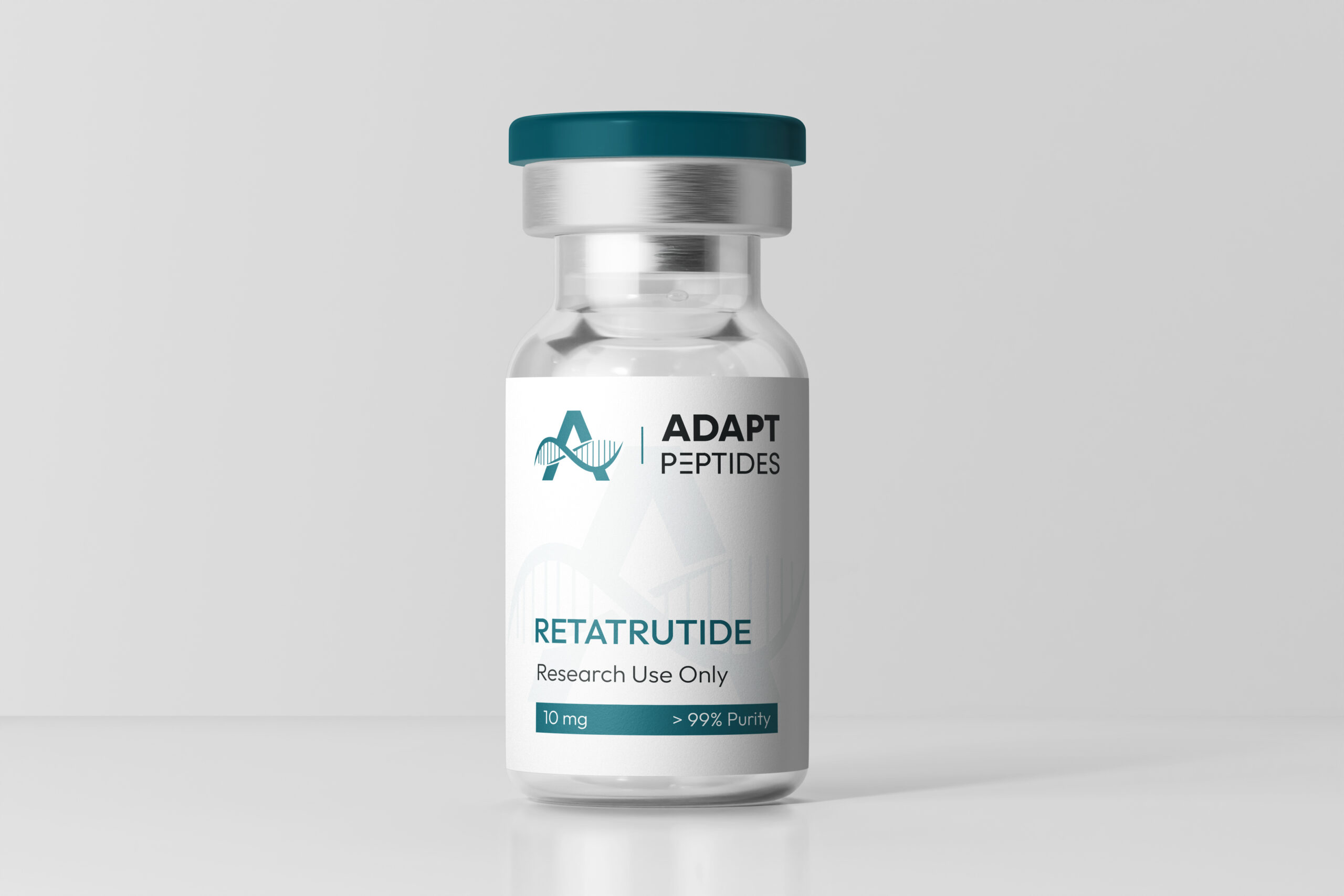

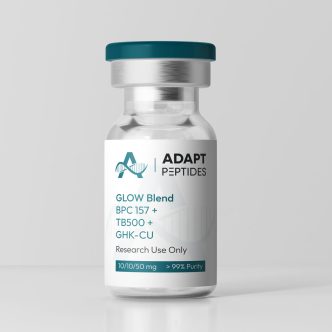
Buy Retatrutide
Premium GLP3-R research solutions. Retatrutide for sale for laboratory use.
Retatrutide vial sizes available
Retatrutide 5mg and Reta 5mg
High purity Reta 5mg vials available for research.
Retatrutide 10mg and Reta 10mg
Our GLP3-R collection includes Retatrutide 10mg options.
Retatrutide 15mg and Reta 15mg
Buy Retatrutide 15mg for advanced protocols.
Retatrutide 20mg and Reta 20mg
Concentrated Retatrutide 20mg for specialized research requirements.
What is Retatrutide?
Retatrutide is a synthetic peptide developed for research purposes. It functions as a triple agonist for GLP-1, GIP, and glucagon receptors. As a synthetic compound, Reta imitates and amplifies the activity of natural hormones that influence energy balance, glucose control, and appetite regulation[1].
GLP3 R extends the effects of these metabolic hormones while maintaining excellent stability and solubility in aqueous solutions, making it highly practical for controlled research environments.
Additionally, GLP3-R’s molecular design provides dependable receptor binding and reproducible outcomes across a variety of experimental settings. Current non-clinical and preclinical investigations continue to examine its potential role in metabolic pathways [1].
Being a triple agonist receptor, GLP3-R activates multiple hormonal receptors at once and offers broader signaling activity compared to more selective peptides like tirzepatide or semaglutide.
Reta Vial Sizes:
- 5mg Retatrutide (Reta 5mg)
- 10mg Retatrutide (Reta 10mg)
- 15mg Retatrutide (Reta 15mg)
- 20mg Retatrutide (Reta 20mg)
| Note: Adapt Peptides offers Retatrutide for sale to be used for research use only. Retatrutide is not approved for human use, medical treatment, or diagnostic purposes. |
Retatrutide Mechanism of Action
Reta functions as a triple receptor agonist, activating GLP-1, GIP, and glucagon pathways. By engaging all three, it impacts several overlapping hormonal systems involved in metabolism, appetite, and energy balance.
Retatrutide and Appetite Regulation
Through stimulation of GLP-1 and GIP receptors, Reta appears to influence satiety signaling in the hypothalamus, which may contribute to reduced food intake in preclinical models. Central appetite regulation remains one of the most promising approaches to addressing obesity and metabolic disorders [2].
Additionally, GLP-1 receptor activation has been linked to slower gastric emptying, further supporting satiety and helping to lower overall food consumption [2].
Retatrutide and Blood Sugar Control
Evidence indicates that retatrutide can improve glucose handling by encouraging insulin secretion while reducing glucagon release after meals [3]. This dual effect enables the body to better regulate postprandial blood sugar levels.
Because it promotes more stable glucose control in laboratory studies, GLP3-R is regarded as a valuable tool for researchers exploring insulin sensitivity and metabolic signaling. Its activity resembles that of other incretin-based compounds, but the addition of glucagon receptor engagement may enhance its overall effect.
Retatrutide and Energy Expenditure
One of the distinguishing features of GLP3-R is its glucagon receptor activation. Glucagon plays an important role in driving energy expenditure and stimulating lipolysis, which is the breakdown of stored fat for energy.
This means GLP3-R may influence not only appetite and glucose metabolism but also baseline energy output and fat utilization in research models.
Unlike peptides that focus solely on GLP-1 or GIP pathways, such as tirzepatide or semaglutide, GLP3-R also leverages glucagon activity. It appears to help sustain metabolic rate even during calorie restriction, making it much more effective than more selective peptides.
Interestingly, some reports suggest that subjects who experienced reduced energy or fatigue on semaglutide or tirzepatide maintained or regained energy levels when exposed to GLP3-R [1].
While further investigation is needed, this points to the glucagon component as a potential factor in counteracting metabolic slowdown and energy loss, making GLP3-R a unique candidate in long-term metabolic research.
Research Applications (Retatrutide Benefits)
Retatrtuide is under investigation in a range of non-clinical and preclinical research models, with particular focus on metabolic health. Thanks to its multi-receptor activity, it has become a point of interest in several key areas of study.
Weight Management Research
Preclinical studies suggest GLP3-R may drive meaningful reductions in body weight by combining decreased food intake with increased energy expenditure [4].
In animal models, treatment with GLP3-R has been associated with rapid declines in food consumption, which is often noticeable within just a few days [5]. This effect is linked to heightened satiety signaling in the hypothalamus, a critical brain region where gut hormone pathways integrate to regulate hunger.
At the same time, research animals have demonstrated elevated resting energy expenditure [6]. This response is thought to stem from glucagon receptor activity, which promotes fat breakdown and thermogenesis, encouraging the body to burn calories even when at rest.
One study in diet-induced obese mice reported that GLP3-R produced greater weight reduction than GLP-1-only compounds, while also improving insulin sensitivity, lipid balance, and liver fat content [5].
Notably, the weight loss did not plateau early but continued over time, indicating a potentially durable metabolic effect.
Metabolic Function Studies
Because GLP3-R influences glucose handling, insulin activity, and lipid balance, it serves as a valuable research tool for conditions like type 2 diabetes, insulin resistance, and non-alcoholic fatty liver disease (NAFLD).
In experimental models, animals given a triple agonist similar to GLP3-R consistently showed better glucose clearance during oral glucose tolerance tests (OGTTs), pointing to improved efficiency in regulating blood sugar [7].
The peptide has also been linked to favorable shifts in lipid metabolism, including reductions in circulating triglycerides, LDL cholesterol, and fat accumulation in the liver [8]. These effects are likely tied to glucagon receptor signaling, which drives fat oxidation and reduces lipid synthesis in hepatic tissue.
Together, these outcomes highlight GLP3-R’s potential role in addressing ectopic fat storage, a hallmark of insulin resistance and NAFLD.
Hormonal Pathway Research
GLP3-R’s ability to act on GLP-1, GIP, and glucagon receptors simultaneously creates opportunities to study how these pathways interact in complex metabolic networks.
By examining these interactions, researchers gain insights into how hormonal cross-talk influences tissues such as the pancreas, adipose stores, liver, and central nervous system.
For instance, GLP-1 receptor activation reduces food intake, while glucagon signaling increases thermogenesis—together forming a coordinated mechanism that may support overall energy balance.
This tri-agonist approach enables scientists to map the interplay of multiple hormonal systems, offering a broader perspective than single-pathway agents can provide.
Note: These findings are derived from animal and in vitro models. GLP3-R from Adapt Peptides is supplied exclusively for laboratory research and is not approved for human use.
Retatrutide Peptide Characteristics
-
- Molecular Formula: C221H342N46O
-
- CAS Number: 2381089-83-2
-
- Amino Acid Sequence: [Not publicly released; proprietary to Eli Lilly & Co. research programs]
-
- Synonyms: LY3437943; GLP-1/GIP/Glucagon Triple Agonist Analog
-
- Molar Mass: 4,731.34 g/mol
-
- Storage Guidelines:
-
- Store sealed vials at ?4°F (?20°C) for up to 12 months.
-
- Store sealed vials at ?112°F (?80°C) for up to 24 months.
-
- Stable at room temperature (68–77°F / 20–25°C) for up to two weeks during shipping.
-
- Keep containers tightly closed in a cool, well-ventilated area, away from direct sunlight and ignition sources.
-
- To maintain peptide stability, avoid repeated freeze-thaw cycles.
-
- Storage Guidelines:
Retarutide vs. Tirzepatide vs. Semaglutide Comparison
| Feature | Semaglutide | Tirzepatide | GLP3-R |
| Type | Single agonist (GLP-1) | Dual agonist (GLP-1, GIP) | Triple agonist (GLP-1, GIP, Glucagon) |
| Primary Targets | Appetite, blood glucose | Appetite, blood glucose | Appetite, blood glucose, energy expenditure |
| Mechanism Complexity | Single pathway | Dual pathway | Most complex (multi-pathway) |
| Research/Approval Stage | FDA approved (Ozempic®, Wegovy®) | FDA approved (Mounjaro®, Zepbound®) | Not FDA-approved for human use (Phase 1/2 clinical trials) |
| Weight Loss Potential | High (15–20% at 68 wks) | Very high (~20% over 72 weeks) | Potentially highest (24% at 48 wks in early trials) |
| Glucose Control | HbA1c reduction by 1.5–1.8% in 30–56 wks | HbA1c reduction ~1.94% | HbA1c levels below 6.5% in early human & animal data |
| Additional Benefits | Cardiovascular risk reduction | Improved insulin sensitivity | Increased energy expenditure, hepatic fat reduction |
| Regulatory Status | Approved for medical use | Approved for medical use | Research use only |
| Disclaimer | Prescription-only medication | Prescription-only medication | Not approved for human use; investigational agent |
Reta Safety and Side Effects in Studies
Currently, most of the available data on GLP3-R comes from preclinical animal research. At research dosages, findings have generally shown good tolerability with no widespread adverse outcomes reported.
In rodent studies, side effects have typically mirrored those seen with other incretin-related compounds, such as temporary gastrointestinal discomfort. Importantly, these results do not establish safety in humans.
A complete human safety profile has not been determined outside of early clinical investigations, and GLP3-R has not been approved for therapeutic applications. This peptide is supplied strictly for laboratory research use and is not intended for human consumption.
Certificate of Analysis (COA)
Every batch of GLP3-R from Adapt Peptides undergoes independent third-party testing to confirm identity, purity, and consistency. A Certificate of Analysis (COA) can be provided on request, ensuring researchers have full transparency and confidence in their materials.
Legal Disclaimer
GLP3-R compound is intended for laboratory research purposes only. It is not approved for human or veterinary use. GLP3-R peptide is not for diagnostic, therapeutic, or resale purposes.
Retatrutide FAQs
1. Is Retatrutide approved for human use?
No. retatrutide remains in early clinical development and has not been cleared for human or veterinary use. It is available solely for research purposes.
2. What side effects have been observed with retatrutide?
In preclinical animal models, reported side effects have been minimal, generally limited to gastrointestinal effects similar to other incretin-based therapies. Human safety data is still incomplete, and further evaluation is ongoing.
3. Is GLP3-R suitable for human use?
No, Adapt Peptides provides GLP3-R for research use only.
4. Where can I purchase GLP3-R for research?
High-purity GLP3-R is available through Adapt Peptides, supplied exclusively for laboratory research. Each vial is independently verified by third-party testing to confirm quality and consistency, and all orders ship quickly in secure packaging.
Scientific References
-
- Naeem M, Imran L, Banatwala UESS. Unleashing the power of GLP3-R: A possible triumph over obesity and overweight: A correspondence. Health Sci Rep. 2024 Feb 5;7(2):e1864.
https://pmc.ncbi.nlm.nih.gov/articles/PMC10844714
- Naeem M, Imran L, Banatwala UESS. Unleashing the power of GLP3-R: A possible triumph over obesity and overweight: A correspondence. Health Sci Rep. 2024 Feb 5;7(2):e1864.
-
- Katsi, V., Koutsopoulos, G., Fragoulis, C., Dimitriadis, K., & Tsioufis, K. (2025). A Game Changer in Obesity Pharmacotherapy. Biomolecules, 15(6), 796.
https://www.mdpi.com/2218-273X/15/6/796
- Katsi, V., Koutsopoulos, G., Fragoulis, C., Dimitriadis, K., & Tsioufis, K. (2025). A Game Changer in Obesity Pharmacotherapy. Biomolecules, 15(6), 796.
-
- Abdrabou Abouelmagd A, Abdelrehim AM, Bashir MN, Abdelsalam F, Marey A, Tanas Y, Abuklish DM, Belal MM. Efficacy and safety of GLP3-R, a novel GLP-1, GIP, and glucagon receptor agonist for obesity treatment: a systematic review and meta-analysis of randomized controlled trials. Proc (Bayl Univ Med Cent). 2025 Feb 5;38(3):291-303.
https://pmc.ncbi.nlm.nih.gov/articles/PMC12026077
- Abdrabou Abouelmagd A, Abdelrehim AM, Bashir MN, Abdelsalam F, Marey A, Tanas Y, Abuklish DM, Belal MM. Efficacy and safety of GLP3-R, a novel GLP-1, GIP, and glucagon receptor agonist for obesity treatment: a systematic review and meta-analysis of randomized controlled trials. Proc (Bayl Univ Med Cent). 2025 Feb 5;38(3):291-303.
-
- Jastreboff, A. M., Kaplan, L. M., Frías, J. P., Wu, Q., Du, Y., Gürbüz, S., Coskun, T., Haupt, A., Milicevi?, Z., & Hartman, M. L.; GLP3-R Phase 2 Obesity Trial Investigators (2023). Triple–hormone-receptor agonist GLP3-R for obesity — A Phase 2 trial. The New England Journal of Medicine, 389(6), 514–526
https://www.nejm.org/doi/full/10.1056/NEJMoa2301972
- Jastreboff, A. M., Kaplan, L. M., Frías, J. P., Wu, Q., Du, Y., Gürbüz, S., Coskun, T., Haupt, A., Milicevi?, Z., & Hartman, M. L.; GLP3-R Phase 2 Obesity Trial Investigators (2023). Triple–hormone-receptor agonist GLP3-R for obesity — A Phase 2 trial. The New England Journal of Medicine, 389(6), 514–526
-
- Katsi V, Koutsopoulos G, Fragoulis C, Dimitriadis K, Tsioufis K. GLP3-R-A Game Changer in Obesity Pharmacotherapy. Biomolecules. 2025 May 30;15(6):796.
https://pmc.ncbi.nlm.nih.gov/articles/PMC12190491
- Katsi V, Koutsopoulos G, Fragoulis C, Dimitriadis K, Tsioufis K. GLP3-R-A Game Changer in Obesity Pharmacotherapy. Biomolecules. 2025 May 30;15(6):796.
-
- Van Klinken JB, van den Berg SA, Havekes LM, Willems Van Dijk K. Estimation of activity related energy expenditure and resting metabolic rate in freely moving mice from indirect calorimetry data. PLoS One. 2012;7(5):e36162.
https://pmc.ncbi.nlm.nih.gov/articles/PMC3344840
- Van Klinken JB, van den Berg SA, Havekes LM, Willems Van Dijk K. Estimation of activity related energy expenditure and resting metabolic rate in freely moving mice from indirect calorimetry data. PLoS One. 2012;7(5):e36162.
-
- Finan, B., Yang, B., Ottaway, N. et al. A rationally designed monomeric peptide triagonist corrects obesity and diabetes in rodents. Nat Med 21, 27–36 (2015).
https://www.nature.com/articles/nm.3761
- Finan, B., Yang, B., Ottaway, N. et al. A rationally designed monomeric peptide triagonist corrects obesity and diabetes in rodents. Nat Med 21, 27–36 (2015).
-
- Hasbal NB, Bak?r CN, Çopur S, Kanbay M. Triple incretin agonists in diabetes mellitus:GLP3-R improves lipid profile and decreases blood pressure. Turk J Nephrol. 2025;34(1):65-69.
https://turkjnephrol.org/Content/files/sayilar/440/65-69.pdf
- Hasbal NB, Bak?r CN, Çopur S, Kanbay M. Triple incretin agonists in diabetes mellitus:GLP3-R improves lipid profile and decreases blood pressure. Turk J Nephrol. 2025;34(1):65-69.